
Blog

Песен за Хасково (Eli Videva, Petâr Vančev - Bulgarie)
 Par
jan_jo
Par
jan_jo
Haskovo est une de nos plus grandes villes de la Thrace bulgare du Sud
Тук слънцето изгрява рано
И рано пролетта напира.
От траките при нас остана
Орфеевата златна лира.
И тя възпява този град
С хълмовете и реката,
И слънчевия водопад,
Разлял се щедро над житата.
С достойнство и вяра
Живеем в Хасково
Горди чеда на свещени земи.
И знаем очаква ни
Бъдеще бляскаво.
Над нас Богородица бди !
И над площади и алеи
В една вселена от мечти
Небето южно щом синее
За нас надежда ще трепти.
Тук слънцето изгрява рано
И рано пролетта напира.
От траките при нас остана
Орфеевата златна лира.
С достойнство и вяра
Живеем в Хасково
Горди чеда на свещени земи.
И знаем очаква ни
Бъдеще бляскаво.
Над нас Богородица бди !
[tuk slœntsɛtɔ izgrjava ranɔ]
[i ranɔ prɔlɛta napira]
[ɔt trakitɛ pri nas ɔstana]
[ɔrfevata zlatna lira]
[i tja vœspjava tɔzi grat]
[s ʜœlmɔvɛtɛ i rɛkata]
[i slœnʧɛvja vɔdɔpat]
[razʎal sɛ ʃtɛdrɔ nat ʒitata]
[s dɔstɔjnsvɔ i vjara]
[ʒivem f ʜaskɔvɔ]
[gɔrdi ʧɛda na sfɛʃtɛni zɛmi]
[i znaɛm ɔʧakfa ni]
[bœdɛʃtɛ bʎaslavɔ]
[nat nas bɔgɔrɔditsa bdi]
[i nat plɔʃtadi i alɛji]
[f ɛdna fsɛlɛna ɔt mɛʧti]
[nɛbɛtɔ juʒnɔ ʃtɔm sine]
[za nas nadɛʒda ʃtɛ trɛpti]
[tuk slœntsɛtɔ izgrjava ranɔ]
[i ranɔ prɔlɛta napira]
[ɔt trakitɛ pri nas ɔstana]
[ɔrfevata zlatna lira]
[s dɔstɔjnsvɔ i vjara]
[ʒivem f ʜaskɔvɔ]
[gɔrdi ʧɛda na sfɛʃtɛni zɛmi]
[i znaɛm ɔʧakfa ni]
[bœdɛʃtɛ bʎaslavɔ]
[nat nas bɔgɔrɔditsa bdi]
(Ici le soleil se lève tôt, et le printemps commence tôt. Des Thraces, la lire dorée d’Orphée est restée. Et elle chante cette ville avec les collines et la rivière, et la cascade ensoleillée, généreusement versée sur le grain. Avec dignité et foi, nous vivons à Haskovo, fiers enfants des terres sacrées. Et nous savons que nous attendons un avenir brillant. Encore et encore sous la vigilance de la Vierge Marie, et sur les places et les ruelles, dans un univers onirique de ciel bleu paradisiaque, l’espoir se sentira pour nous. Ici le soleil se lève tôt, et le printemps commence tôt. Des Thraces, la lire dorée d’Orphée est restée. Avec dignité et foi, nous vivons à Haskovo, fiers enfants des terres sacrées. Et nous savons que nous attendons un avenir brillant. Encore et encore sous la vigilance de la Vierge Marie !)
(Here the sun rises early, and spring begins early. Of the Thracians, the golden lira of Orpheus has remained. And she sings this city with the hills and the river, and the sunny waterfall, generously poured over the grain. With dignity and faith, we live in Haskovo, proud children of the sacred lands. And we know that we await a bright future. Again and again under the vigilance of the Virgin Mary, and in the squares and alleys, in a dreamlike universe of heaven heavenly blue, hope will feel for us. Here the sun rises early, and spring begins early. From the Thracians, the golden lira of Orpheus has remained. With dignity and faith, we live in Haskovo, proud children of the land sacred. And we know we look forward to a bright future. Again and again under the watchful eye of the Virgin Mary ! )
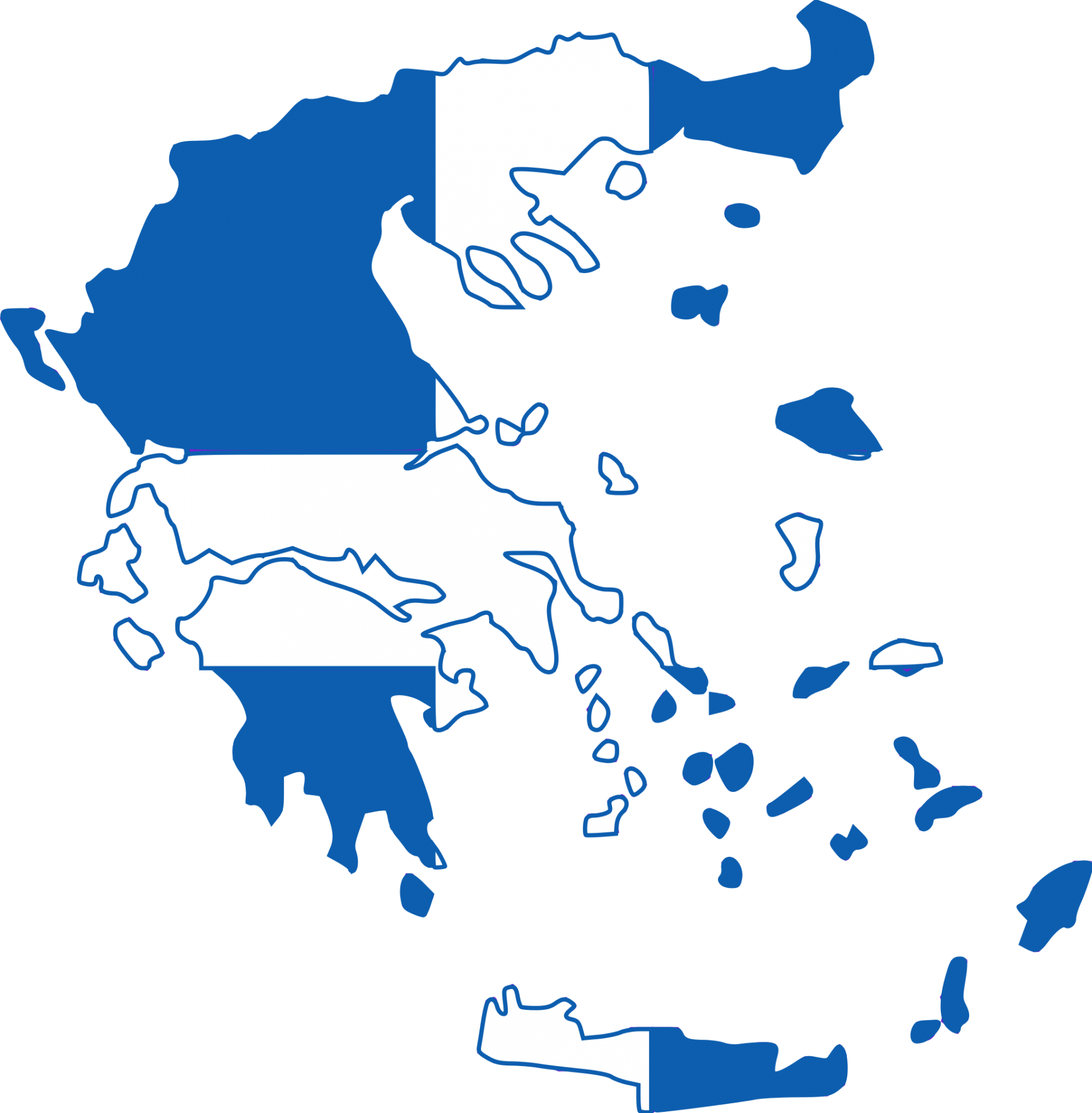
Τα Παιδιά Του Πειραιά (Melina Mercouri - Grèce)
Par
jan_jo
Απ' το παράθυρό μου στέλνω
Ένα δύο και τρία και τέσσερα φιλιά
Που φτάνουν στο λιμάνι
Ένα και δύο και τρία και τέσσερα πουλιά
Πώς ήθελα να είχα ένα και δύο
Και τρία και τέσσερα παιδιά
Που σαν θα μεγαλώσουν όλα
Θα γίνουν λεβέντες για χάρη του Πειραιά
Όσο κι αν ψάξω, δεν βρίσκω άλλο λιμάνι
Τρελή να με 'χει κάνει, όσο τον Πειραιά
Που όταν βραδιάζει, τραγούδια μ' αραδιάζει
Και τις πενιές του αλλάζει, γεμίζει από παιδιά
« Από την πόρτα μου σαν βγω
Δεν υπάρχει κανείς που να μην τον αγαπώ
Και σαν το βράδυ κοιμηθώ, ξέρω πως
Ξέρω πως, πως θα τον ονειρευτώ
Πετράδια βάζω στο λαιμό, και μια χά-
Και μια χά-, και μια χάντρα φυλακτό
Γιατί τα βράδια καρτερώ, στο λιμάνι σαν βγω
Κάποιον άγνωστο να βρω »
Όσο κι αν ψάξω, δεν βρίσκω άλλο λιμάνι
Τρελή να με 'χει κάνει, όσο τον Πειραιά
Που όταν βραδιάζει, τραγούδια μ' αραδιάζει
Και τις πενιές του αλλάζει, γεμίζει από παιδιά
[ap'tɔ paraθirɔ mu stɛlnɔ
ɛna ðjɔ kɛ trja kɛ tɛsɛra fiʎa
pu ftanun stɔ limani
ɛna ðjɔ kɛ trja kɛ tɛsɛra puʎa
pɔs iθɛla na ixa ɛna kɛ ðjɔ
kɛ trja kɛ tɛsɛra pɛðja
pu san θa mɛxalɔsun ɔla
θa ɕinun lɛvɛndɛs ɕa xari tu pɛrja
ɔsɔ ki an psaksɔ ðɛn vriskɔ alɔ limani
trɛli na mɛ xi kani ɔsɔ tɔn pirɛa
pu ɔtan vraðjazi traxuðja m'araðjazi
kɛ tis pɛɲɛs tu alazi ɕɛmizi apɔ pɛðja
apɔ tin pɔrta mu san vxɔ
ðɛn iparxi kanis pu na min tɔn axapɔ
kɛ san tɔ vraði kimiθɔ ksɛrɔ pɔs
ksɛrɔs pɔs pɔs θa tɔn ɔnirɛvtɔ
pɛtraðja vazɔ stɔ lɛmɔ kɛ mja xa
kɛ mja xa kɛ mja xandra filaktɔ
ɕati ta vraðja kartɛrɔ stɔ limani san vxɔ
kapjɔs axnɔstɔ na vrɔ
ɔsɔ ki an psaksɔ ðɛn vriskɔ alɔ limani
trɛli na mɛ xi kani ɔsɔ tɔn pirɛa
pu ɔtan vraðjazi traxuðja m'araðjazi
kɛ tis pɛɲɛs tu alazi ɕɛmizi apɔ pɛðja]
(De ma fenêtre, j’envoie, un, deux et trois et quatre bises, qui atteignent le port, comme
un et deux et trois et quatre oiseaux, comme j’ai espéré que j’avais un et deux et trois et
quatre enfants, une fois qu’ils seraient tous grands, deviennent de superbes garçons
pour l’amour du Pirée, qu’importe comment je cherche, je ne peux trouver un autre
port, qui me rende aussi sauvage comme le Pirée, et, dès que tombe la nuit, il chante
pour moi, et profile le changement en se remplissant d’enfants, aussitôt que je passe ma
porte, il n’y a personne que je ne puisse aimer, et comme je vais dormir la nuit, je sais
que, je sais que je rêverai de lui, des pierres précieuses autour de mon cou je mets, et une
parure comme charme, à la nuit j’attends, comme je vais au port, pour trouver un
certain étranger, qu’importe comment je cherche, je ne peux trouver un autre port, qui
me rende aussi sauvage comme le Pirée, et, dès que tombe la nuit, il chante pour moi, et
profile le changement en se remplissant d’enfants)
(From my window I send, one, two and three and four kisses, which reach the port, as one and two and three and four birds, like I hoped I had one and two and three and four children, once they are all grown up, grow into great boys for the love of Piraeus, no matter how I look, I can't find another port, which makes me as wild as Piraeus, and, as soon as night falls, it sings for me, and profile the change by filling up with children, as soon as I pass my door, there's no one I can't love, and since I'm going to sleep at night, I know that, I know that I will dream of him, precious stones around my neck I put, and a adornment as a charm, at night I wait, as I go to the port, to find a certain foreigner, no matter how I look, I cannot find another port, which makes me as wild as Piraeus, and, as soon as night falls, he sings to me, and profile change by filling with children)
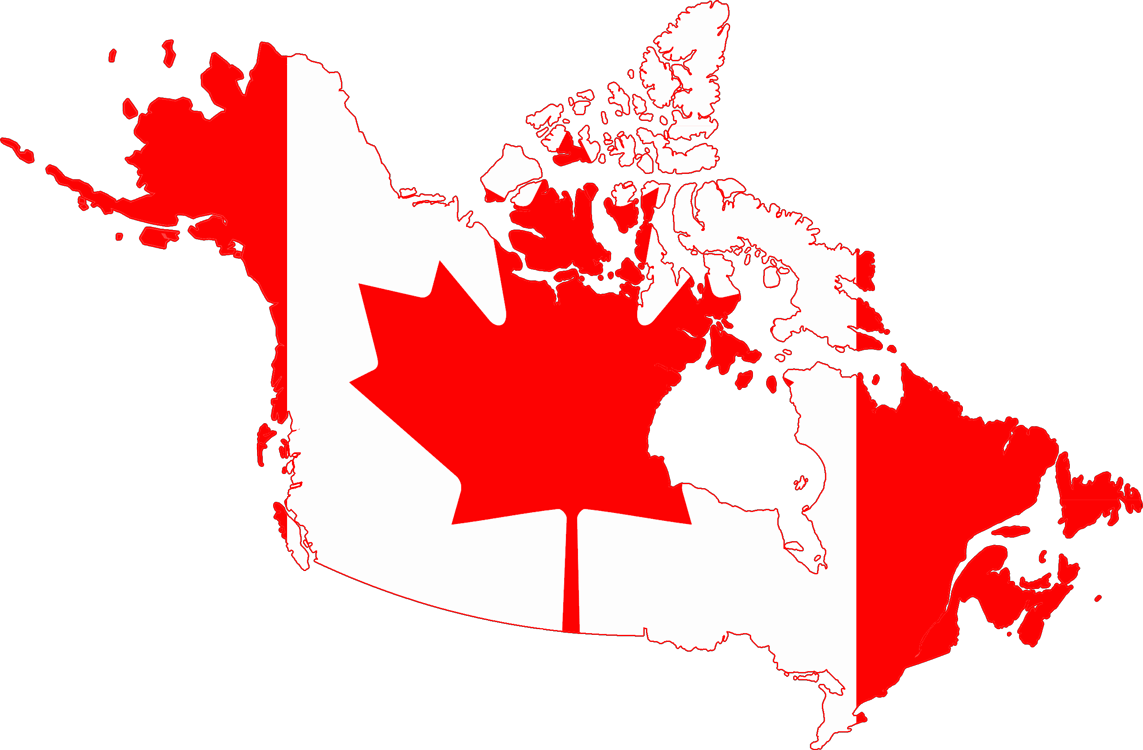
ᐁ ᐘᓱᔪᔭᐣ - E uassiuian (Katshting - Canada)
Par
jan_jo
La chanson est en langue Montagnaise (famille Cree-aléoutienne)
ᓇᑕᔑᐡ ᓇᐘᑌᓐ ᐁᔕᓇᔫᔮᓐ
ᓇᑕᔑᐡ ᓇᐘᑌᓐ ᐁᔕᓇᑕᐋᑕᔕᔮᓐ
ᓇᑏᐡ ᑖᐸᐍ ᓃᓴᓐ ᑖᒫᓐ
ᓇᑌ ᐍᔕᑲᑦ ᑳ ᐄᓇᔫᔮᓐ
ᐋᒨᒃ ᑖᐸᐍ ᓃᓇᓐ ᓇᑏᔫᓐ
ᑕᔕᑕᔑ ᓈᓇᑖᒻ ᐋᒃᐘ ᑑᑕᒫᓐ
ᓇ ᒫᓇᐍᓇᑌᓐ ᐁᔕᓈᒃᔕᔮᓐ
ᓇᑌ ᐘᑕᒫᓐ ᐁ ᐘᓴᔫᔮᓐ
ᐁᒃ ᑖᐸᐍ ᓇᑌ ᒫᒪᑕᓀᓇᑌᓐ
ᓇᑌ ᐍᔕᑲᑦ ᑳ ᒣᑕᐍᔮᓐ
ᑳ ᒣᑕᐍᔮᓐ ᔕᑦ ᓇᐏᔕᐁᐗᓐ
ᑕᔐᑕᔑ ᓈᓇᑕᒻ ᑌᑰᔕᓇᔮᓐ
ᐋᐴ ᑕᔐᒃᐋᓐ ᓇᑕᔑᔕ ᐄᑌᓇᑕᒫᓐ
ᓇᑌ ᐁᑖᐸᔮᓐ ᓇᑌ ᐘᑕᒫᓐ
ᓇᑌ ᐁ ᐘᑕᒫᓐ ᓇᑌ ᑳ ᓇᑕᐋᑕᔕᔮᓐ
ᐋᐴ ᑕᔑ ᓈᓇᑖᒻ ᑌᑰᔕᓇᔮᓐ
ᐋᒨᒃ ᑖᐸᐍ ᓃᓇᓐ ᓇᑏᔫᓐ
ᑕᔕᑕᔑ ᓈᓇᑖᒻ ᐋᒃᐘ ᑑᑕᒫᓐ
ᓇ ᒫᓇᐍᓇᑌᓐ ᐁᔕᓈᒃᔕᔮᓐ
ᓇᑌ ᐘᑕᒫᓐ ᐁ ᐘᓴᔫᔮᓐ
(N'tshish nuaten eshenniuian
N'tshish nuaten eshen'tautshian
N'thish tapue pussen'taman
Nte ueshket ka inniuian
Muk tapue ninen n'tinniun
Tshetshi nan'tam akua tuteman
Nte manuen'ten eshenakushian
E uataman e uassiuian
Eshk tapue nte mamet'nenten
Nte ueshket ka metueian
Ka metueian shet nuitsheuan
Tshetshi nan'tam tekushenian...
Apu tshekuan n'tshish iten'taman
Nte aitapian nte uateman
Nte e uataman nte ka n'tautshian
Apu tshi nan'tam tekushenian...
Muk tapue ninen n'tinniun
Tshetshi nan'tam akua tuteman
I menuen'ten eshenakushian
E uataman e uassiuian)
[n'ʧiʃ nwatɛn ɛʃɛɲujan]
[n'ʧiʃ nwatɛn ɛʃøn'dɔdʒan]
[n'tiʃ tawɛ pusøn døman]
[ndɛ wɛʃkøt ka iɲujan]
[amuk tapwɛ ninøn dɛɲɔn]
[ʧøtʃi nan'tøm agwa dɔdman]
[ndø manwɛn'dɛn ɛʃønakwʃjan]
[ndɛ wadøman ɛ wasjujan]
[ɛʃk tapwɛ ndɛ mamøt'nɛndɛn]
[ndɛ wɛʃkøt ka mɛdwɛjan]
[ka mɛdwɛjan ʃøt nwiʧɛwan]
[ʧɛtʃi nan'tøm tɛkuʃøɲan]
[apu ʧɛkwan n'tʃiʃ idɛn'døman]
[ndɛ ɛtapjan ndɛ wadøman]
[ndɛ wadøman ndɛ ka n'dɔdʒan]
[apu ʧi nan'tøn tɛkuʃøɲan]
[amuk tawɛ inøn dɛɲɔn]
[ʧøʃi nan'tøm agwa dɔdman]
[i manwɛn'dɛn ɛʃønakwʃjan]
[ndɛ wadøman ɛ wasjujan]
(Maintenant, je vois comment je vis, maintenant je vois comment j'ai grandi, maintenant je suis vraiment confus, de ma vie d'avant, mais, réellement nous vivons et, nous devrions être attentif à ce que nous faisons, je me contente actuellement de mon style de vie actuelle, mais, je continue à repenser en jouant avec mes amis, aux journées d'auparavant de mon enfance insouciante, ne pensant à rien, juste regarder en arrière, en voyant comment j'ai évolué, on ne peut jamais revenir en arrière, mais honnêtement, nous pourrions vivre sur un chemin dont nous prenons soin par nous-même, en se
contentant de notre vie actuelle, je vois mon enfance insouciante)
(Now I see how I live, now I see how I grew up, now, I am really confused because of my life before now. But really, we live and we should always be careful what we do. I am content with my present lifestyle, but I still think back to playing with my friends. Thinking about nothing, just looking back, looking at how I was raised, you cannot go back forever. But honestly, we should live in a way that we take care of ourselves, we should take care to live to the fullest now be content with our present lifestyle, I see my childhood)
Ποια προσευχή (Elina Konstantopoulou - Grèce)
Par
jan_jo
"Και γαρ εβούλοντο μυάναι την γην ταύτην Μη γιγνώσκοντες την ύβριν, ην εποίουν..."
Είχα μια περιουσία, την καταχραστήκανε
Κάναν ιεροσυλία κι ούτε που ντραπήκανε
Την ιστορία της ζωής μου δε σκεφτήκανε…
…Ποια προσευχή εγώ να κάνω για τα κρίματά τους
Ποια προσευχή μπορώ να πω για να σωθούν
Στάζω κρασί για να ξεπλύνω τ' αμαρτήματά τους
Ποια προσευχή να πω γι' αυτούς, που με πονούν…
Να μου πάρουνε το θρόνο κάποιοι προσπαθήσανε
Έν' αστέρι είχα μόνο και το απαιτήσανε
Το πόσο άντεξα στο χρόνο αγνοήσανε…
…Ποια προσευχή εγώ να κάνω για τα κρίματά τους
Ποια προσευχή μπορώ να πω για να σωθούν
Στάζω κρασί για να ξεπλύνω τ' αμαρτήματά τους
Ποια προσευχή να πω γι' αυτούς, που με πονούν…
Ποια προσευχή εγώ να κάνω για τα κρίματά τους
Ποια προσευχή εγώ να κάνω για τα κρίματά τους
Ποια προσευχή μπορώ να πω για να σωθούν
Στάζω κρασί για να ξεπλύνω τ' αμαρτήματά τους
Ποια προσευχή να πω γι' αυτούς, που με πονούν…
Ποια προσευχή εγώ να κάνω για τα κρίματά τους.
[kɛ xar ɛvulɔndɔ mjanɛ tin ɕin taftin mi ɕiŋɔskɔnðɛs tin ivrin in ɛpjun
ixa mja pɛrjusja tin kataxrastikanɛ
kanan jɛrɔsiʎa ki utɛ pu drapikanɛ
tin istɔrja tis zɔjs mu ðɛ skɛftikanɛ
pja prɔsɛfxi ɛxɔ na kanɔ ɕja ta krimata tus
pja prɔsɛfxi bɔrɔ na pɔ ɕja na sɔθun
stazɔ krasi ɕja na ksɛplinɔ t'amartimata tus
Pja prɔsɛfxi na pɔ ɕi aftus pu mɛ pɔnun
na mu parunɛ tɔ θrɔnɔ kapi: prɔspaθisanɛ
ɛn astɛri ixa mɔnɔ kɛ tɔ apɛtisanɛ
tɔ pɔsɔ andɛksa stɔ xrɔnɔ aŋɔisanɛ
pja prɔsɛfxi ɛxɔ na kanɔ ɕja ta krimata tus
pja prɔsɛfxi bɔrɔ na pɔ ɕja na sɔθun
stazɔ krasi ɕja na ksɛplinɔ t'amartimata tus
Pja prɔsɛfxi na pɔ ɕi aftus pu mɛ pɔnun]
(Ils voulaient enlever l'honneur de cette terre, sans réaliser l'insolence qu'ils commettaient ...
J'ai eu une fortune et ils en abusaient, ils ont commis un sacrilège et ils n’en n’ont même pas
honte, ils ne pensaient pas à l'histoire de ma vie. Quelle prière dirai-je pour leurs péchés ?
Quelle prière puis-je dire qui puisse les sauver ? Je laisse tomber le vin pour purifier leurs
péchés, quelle prière dirai-je pour ceux qui m’ont fait souffrir ? Certains ont essayé de
prendre mon trône, je n'avais qu'une étoile et ils ont essayé de la revendiquer, ils ignoraient
combien de temps je résisterais. Quelle prière dirai-je pour leurs péchés ?
Quelle prière puis-je dire qui puisse les sauver ? Je laisse tomber le vin pour purifier
leurs péchés, quelle prière dirai-je pour ceux qui m’ont fait souffrir ? Quelle prière
dirai-je pour leurs péchés ? Quelle prière puis-je dire qui puisse les sauver ? Je laisse
tomber le vin pour purifier leurs péchés, quelle prière dirai-je pour ceux qui m’ont fait
souffrir ?)
(They wanted to take away the honor of this land, without realizing the insolence they were committing ... I had a fortune and they abused it, they committed a sacrilege and they don 't even have shamed, they weren't thinking about the story of my life. What prayer will I say for their sins ? What prayer can I say that can save them? I drop the wine to purify their sins, what prayer will I say for those who have made me suffer ? Some have tried to take my throne I only had one star and they tried to claim it they ignored, how long I would resist. What prayer will I say for their sins ? What prayer can I say that can save them ? I drop the wine to purify their sins, what prayer shall I say for those who have made me suffer ? What a prayer shall I say for their sins ? What prayer can I say that can save them ? I leave drop the wine to cleanse their sins, what prayer will I say for those who made me suffer ?)
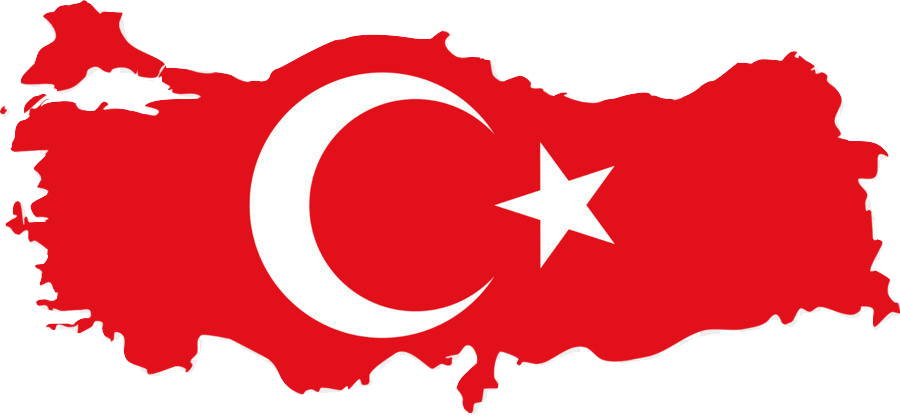
Rimi rimi ley (Gülseren - Turquie)
Par
jan_jo
Rimi rimi ley li, ley li limi ley
Rimi rimi ley li, ley li limi ley
Rimi rimi ley li, ley li limi ley
Rimi rimi ley li, ley li limi ley, hey...
Yamah-ah...
Müptela olmuş aşkım bak aşkına
Müptela olmuş, dönmüşüm şaşkına
Ley limi ley, rimi rimi ley
Aşk değil bu, sanki bir ceza bana
Ley limi ley, rimi rimi ley
Aşk değil bu, sanki bir kara sevda
Aşk mı yordu seni, zalim ?
Çok seviyordu seni kalbim
Acınası bak şu deli halim
Dön gel hadi güzelim
Sevdiğimsin, her şeyimsin
Beni yakıp üzen, güldürensin
Sonunda yine beni mahvedensin
Kader, zalimsin
Rimi rimi ley li, ley li limi ley
Rimi rimi ley li, ley li limi ley Lah-ah...
Müptela olmuş aşkım bak aşkına
Müptela olmuş, dönmüşüm şaşkına
Ley limi ley, rimi rimi ley
Aşk değil bu, sanki bir kara sevda
Aşk mı yordu seni, zalim ?
Çok seviyordu seni kalbim
Acınası bak şu deli halim
Dön gel hadi güzelim
Sevdiğimsin, her şeyimsin
Beni yakıp üzen, güldürensin
Sonunda yine beni mahvedensin
Kader, zalimsin
Aşk mı yordu seni, zalim ?
Çok seviyordu seni kalbim
Acınası bak şu deli halim
Dön gel hadi güzelim
Sevdiğimsin, her şeyimsin
Beni yakıp üzen, güldürensin
Sonunda yine beni mahvedensin
Kader, zalimsin
Rimi rimi ley li, ley li limi ley
Rimi rimi ley li, ley li limi ley Hey
[rimi rimi lɛj li lɛj li limi lɛj]
[rimi rimi lɛj li lɛj li limi lɛj]
[rimi rimi lɛj li lɛj li limi lɛj]
[rimi rimi lɛj li lɛj li limi lɛj hɛj]
[jamah ah]
[myptɛla ɔlmuʃ aʃkəm bak aʃkəna]
[myptɛla ɔlmuʃ doenmyʃym ʃaʃkəna]
[lɛj limi lɛj rimi rimi lɛj]
[aʃk dɛ:il bu sanki bir dʒɛza bana]
[lɛj limi lɛj rimi rimi lɛj]
[aʃk dɛ:il bu sanki bir kara sɛvda]
[aʃk mə jɔrdu sɛni zalim]
[ʧɔk sɛvijɔrdu sɛni kalbim]
[adʒənasə bak ʃu dɛli halim]
[doem gɛl hadi gyzɛlim]
[sɛvdi:msin hɛr ʃɛjimsin]
[bɛni jakəp yzɛn gyldyrɛnsin]
[sɔnunda jinɛ bɛni mahvɛdɛnsin]
[kader zalimsin]
[rimi rimi lɛj li lɛj li limi lɛj]
[rimi rimi lɛj li lɛj li limi lɛj lah ah]
[myptɛla ɔlmuʃ aʃkəm bak aʃkəna]
[myptɛla ɔlmuʃ doenmyʃym ʃaʃkəna]
[lɛj limi lɛj rimi rimi lɛj]
[aʃk dɛ:il bu sanki bir kara sɛvda]
[aʃk mə jɔrdu sɛni zalim]
[ʧɔk sɛvijɔrdu sɛni kalbim]
[adʒənasə bak ʃu dɛli halim]
[doen gɛl hadi gyzɛlim]
[sɛvdi:msin hɛr ʃɛjimsin]
[bɛni jakəp yzɛn gyldyrɛnsin]
[sɔnunda jinɛ bɛni mahvɛdɛnsin]
[kadɛr zalimsin]
[aʃk mə jɔrdu sɛni zalim]
[ʧɔk sɛvijɔrdu sɛni kalbim]
[adʒənasə bak ʃu dɛli halim]
[doen gɛl hadi gyzɛlim]
[sɛvdi:msin hɛr ʃɛjimsin]
[bɛni jakəp yzɛn gyldyrɛnsin]
[sɔnunda jinɛ bɛni mahvɛdɛnsin]
[kadɛr zalimsin]
[rimi rimi lɛj li lɛj li limi lɛj]
[rimi rimi lɛj li lɛj li limi lɛj hɛj]
(Rimi rimi ley li, ley li limi ley, rimi rimi ley li, ley li limi ley, rimi rimi ley li, ley li limi ley,
rimi rimi ley li, ley li limi ley, yamah-ah… Mon amour, pourquoi quand je t’aime, toi, tu
t’en vas ? Qu’est-ce que j’ai fait pour te faire peur comme ça? ley limi ley, rimi rimi ley,
c’est une prière pour que tu reviennes à moi, ley limi ley, rimi rimi ley, c’est un cri d’amour
pour que tu restes là, quand tu me manques, j’ai plus d’espoir, c’est un silence qui brûle en
moi, pourtant je sens qu’un jour tu me reviendras, sans ton regard, je ne suis plus loin, c’est
dans ton âme que je me vois, moi, je t’attends si tu me crois, Inch Allah, lah-ah… mon
amour, si ce soir je chante encore pour toi, c’est pour que tu sache que je pense toujours à
toi, ley limi ley, rimi rimi ley, c’est un cri d’amour pour que tu restes là, quand tu me
manques, j’ai plus d’espoir, c’est un silence qui brûle en moi, pourtant je sens qu’un jour tu
me reviendras, sans ton regard, je ne suis plus loin, c’est dans ton âme que je me vois, moi, je t’attends si tu me crois, Inch Allah, quand tu me manques, j’ai plus d’espoir, c’est un silence qui brûle en moi, pourtant je sens qu’un jour tu me reviendras sans ton regard, je ne suis plus loin c’est dans ton âme que je me vois, moi, je t’attends si tu me crois, Inch Allah, rimi rimi ley li, ley li limi ley, rimi rimi ley li, ley li limi ley, hey)
(Rimi rimi ley li, ley li limi ley, rimi rimi ley li, ley li limi ley, rimi rimi ley li, ley li limi ley, rimi rimi ley li, ley li limi ley, yamah-ah ... My love, why when I love you, you, you, are you going? What did I do to scare you like this? ley limi ley, rimi rimi ley, it's a prayer for you to come back to me, ley limi ley, rimi rimi ley, it's a loving scream, so that you stay there, when I miss you, I have more hope, it's a silence that burns in me, however, I feel that one day you will come back to me, without your gaze, I am no longer far, it’s in your soul that I see myself, me, I wait for you if you believe me, Inch Allah, lah-ah ... my love, if tonight I'm still singing for you, it's so that you know that I still think of you, ley limi ley, rimi rimi ley, it's a loving scream for you to stay there, when you lack me, I have more hope, it's a burning silence in me, yet I feel that one day you will come back to me, without your gaze, I am no longer far, it is in your soul that I see myself, me, I wait for you if you believe me, Inch Allah, when I miss you, I have no more hope , it's a silence that burns in me, yet I feel that one day you will come back to me without your gaze, I'm not far away it's in your soul that I see myself, me, I wait for you if you Believe, Inch Allah, rimi rimi ley li, ley li limi ley, rimi rimi ley li, ley li limi ley, hey)
Çepik Oyun Havası - Diyarbakır Oyun Havaları
Par
jan_jo
Diyarbakır et Çepik sont de la province de Diyarbakır en Anatolie du Sud-Est
Par
jan_jo
Le Halay est une danse traditionnelle pratiquée en Anatolie, dans le Caucase et en Thrace. Il existe pour chaque région une danse bien marquée selon les traditions ainsi que les origines des peuples qui ont adopté cette pratique culturelle.
Le Halay se pratique principalement dans des mariages ainsi que dans toutes occasions de fêtes.
Le Halay est une danse très régionalisée où chaque ville ou village développe son propre style mais elle reste très populaire et appréciée des jeunes malgré le fait que ce soit une tradition folklorique très ancienne.
Le Halay se joue en groupe aligné sur une ligne droite, courbé ou enroulé en escargot (lorsque la place manque). Les danseurs sont attachés les uns aux autres par les doigts, les mains ou les bras en fonction du type de Halay et de la région. L'espacement dépend encore du type de Halay et du rythme, les mains mises le long du corps, pour être le plus serré possible, ou encore par les épaules ou même les bras passés l'un dans l'autre. La première personne, celui qui dirige le Halay, est le leader et est chargé de tenir un tissu et de l'agiter en fonction du rythme adopté. Appelé la tête du Halay, il agit un tissu coloré et mène le reste du groupe. Parfois il se détache et se met au milieu pour commencer un solo, où, selon le rythme, il fait des bonds en s'accroupissant tout en faisant des gestes avec le tissu qu'il agite.
Le Halay commence très souvent lentement puis le rythme s'accélère. Il repose sur une coordination des pieds, du buste et des bras. Les pieds créent le plus grand mouvement et l'équilibre s'établit avec les bras. Le rythme est assuré par le buste.
Halay is a traditional dance performed in Anatolia, the Caucasus and Thrace. There is for each region a dance well marked according to the traditions as well as the origins of the peoples who have adopted this cultural practice.
The Halay is practiced mainly in weddings as well as in all festivals’ occasions.
Halay is a very regionalized dance where each town or village develops its own style but it remains very popular and appreciated by young people despite the fact that it is a very old folk tradition.
The Halay is played in a group aligned on a straight line, curved or rolled up in a snail (when space is lacking). Dancers are attached to each other by fingers, hands, or arms depending on the type of Halay and the region. The spacing still depends on the type of Halay and the rhythm, the hands put along the body, to be as tight as possible, or by the shoulders or even the arms passed one in the other. The first person, the one who runs the Halay, is the leader and is responsible for holding a tissue and waving it according to the rhythm adopted. Called the head of the Halay, he acts a colorful cloth and leads the rest of the group. Sometimes he breaks away and stands in the middle to start a solo, where, according to the rhythm, he jumps while crouching while making gestures with the tissue he is waving.
The Halay very often starts slowly and then the pace picks up. It is based on a coordination of the feet, the bust and the arms. The feet create the greatest movement and balance is established with the arms. The rhythm is provided by the bust.


